
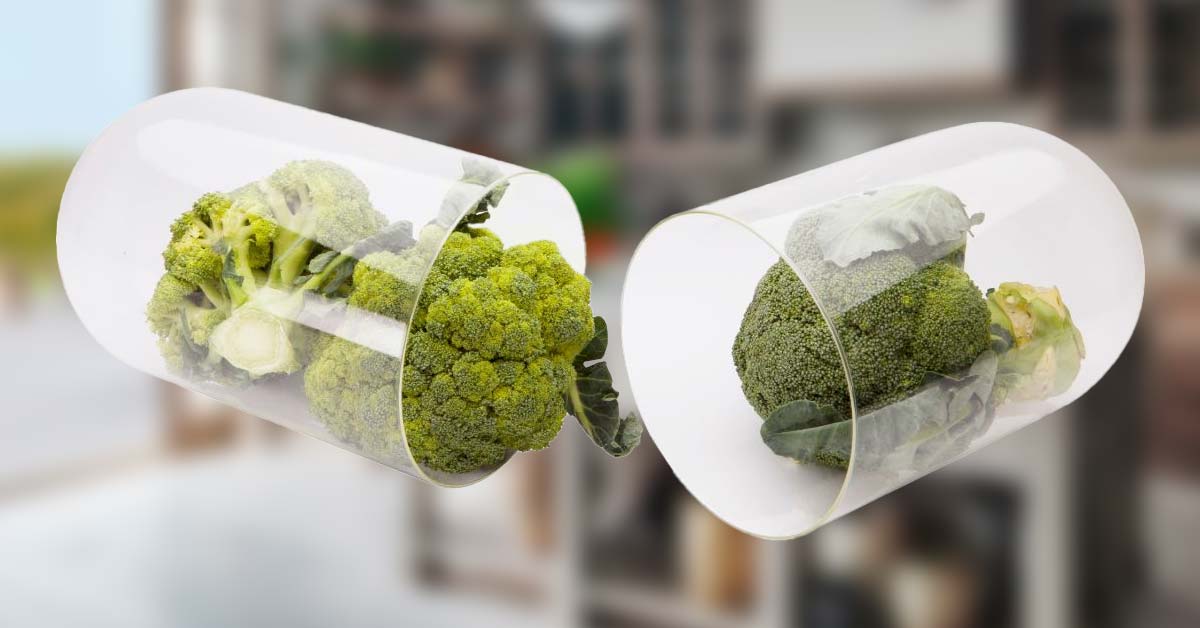
Food Supplements & Dietary Supplements: The Complete Guide to Safety, Effectiveness and Quality
The global market for food supplements and dietary supplements has expanded rapidly over the past decades. Today, these products are available everywhere — from pharmacies and supermarkets to online platforms. However, their widespread availability has created confusion:
- Which supplements are actually necessary?
- Who truly benefits from them?
- How can consumers distinguish high-quality products from ineffective ones?
This comprehensive guide provides clear, evidence-based answers and practical criteria for making informed decisions.
What Are Food Supplements (Dietary Supplements)?
Food supplements, also known as dietary supplements or nutritional supplements, are products intended for oral consumption that contain concentrated sources of nutrients or other substances with a nutritional or physiological effect.
They are designed to:
- Supplement the normal diet
- Correct nutritional deficiencies
- Maintain adequate nutrient intake
- Reinforce nutrient supply
- Support specific physiological functions
These products typically contain:
- Vitamins
- Minerals
- Amino acids
- Fatty acids
- Herbal extracts
- Other bioactive compounds
They are delivered in measured dose forms such as tablets, capsules, softgels, powders, syrups, and oral sprays.
Importantly, food supplements are not substitutes for a varied, balanced diet. They are intended to complement nutrition — not replace it.
Food Supplements vs. Medicines: A Critical Distinction
Although food supplements and medicines may appear similar in packaging, dosage form, or even ingredient composition (e.g., vitamin D3 or iron), they are fundamentally different in regulatory and functional terms.
Food supplements:
- Are classified as food products
- Do not exert pharmacological, immunological, or metabolic action
- Are not intended to treat, prevent, or cure diseases
- Can only make approved health claims
Medicines:
- Are strictly regulated pharmaceutical products
- Are intended to diagnose, treat, prevent, or cure disease
- Must demonstrate clinical efficacy and safety through rigorous trials
The regulatory framework for supplements ensures safety, but it is less stringent than that for medicines. Therefore, quality assessment becomes essential.
Who Needs Dietary Supplements?
In theory, a well-balanced diet should provide all essential nutrients. In practice, nutritional deficiencies are increasingly common — even in developed countries.
Individuals Who May Not Need Supplements
People who:
- Consume a diverse, balanced diet
- Maintain a healthy lifestyle
- Have no diagnosed deficiencies
- Experience no symptoms of nutritional imbalance
For these individuals, routine supplementation may be unnecessary.
Individuals Who May Benefit from Supplementation
Dietary supplements can be beneficial when:
- Nutrient intake from diet is insufficient
- Laboratory tests confirm a deficiency
- Physiological requirements increase
- Absorption is impaired
Factors That Affect Nutritional Status
Nutritional status is not determined by diet alone. Additional influencing factors include:
- Chronic stress
- Smoking
- Alcohol consumption
- Chronic disease
- Certain medications
- High physical activity
- Pregnancy and breastfeeding
- Aging-related malabsorption
These factors may increase nutrient demand or accelerate depletion.
Essential Food Supplements: The Most Commonly Needed Nutrients
While some supplements (e.g., iron) should only be taken when deficiency is confirmed by laboratory testing, several nutrients are widely under-consumed globally.
Vitamin D
Vitamin D is critical for:
- Bone and teeth health
- Calcium absorption
- Immune system function
Although synthesized in the skin through sunlight exposure, deficiency is widespread due to indoor lifestyles, geographic location, and seasonal variation. Supplementation is frequently recommended.
Omega-3 Fatty Acids (EPA & DHA)
There are three main omega-3 fatty acids:
- ALA (plant-based)
- EPA
- DHA
EPA and DHA are primarily obtained from fatty fish and seafood, which many individuals consume insufficiently.
Evidence supports omega-3 supplementation for:
- Normal heart function
- Brain function
- Maintenance of normal vision
- Fetal development during pregnancy
Coenzyme Q10 (CoQ10)
CoQ10 is a vitamin-like compound naturally present in human cells, particularly in high-energy organs such as the heart, liver, and kidneys.
Key facts:
- Endogenous production declines after age 25
- Levels are further reduced by stress, smoking, poor diet, and statin therapy
- Low levels are associated with reduced cellular energy production
While not classified as an essential nutrient, supplementation is often considered beneficial, especially in aging populations.
Vitamin B12
Vitamin B12 is essential for:
- Red blood cell formation
- DNA synthesis
- Neurological function
It is found exclusively in animal-derived foods. Therefore:
- Vegans and vegetarians are at high risk of deficiency
- Older adults may experience reduced absorption
- Untreated deficiency can lead to anemia and neurological complications
Other Important Dietary Supplements
Depending on individual needs, additional supplements may include:
- Magnesium – supports muscle and nerve function
- Vitamin C – antioxidant support and immune contribution
- B-complex vitamins – energy metabolism and nervous system support
- Zinc – immune function and skin health
- Probiotics – maintenance of balanced gut microbiota
These should be selected based on personal nutritional status and verified need.
Non-Essential but Popular Supplements
Products containing:
- Collagen
- Glucosamine
- Beta-glucans
- Ceramides
have gained significant popularity. While not essential nutrients, they may provide targeted physiological benefits.
However, product quality and clinical evidence vary significantly. Not all marketed benefits are scientifically substantiated. This makes quality assessment crucial.
What Defines Quality in the Food Supplement Industry?
Safety is mandatory. Quality is optional — unless verified.
Since food supplements are legally classified as food products, the primary responsibility for product safety lies with:
- The manufacturer
- The importer
- The distributor placing the product on the market
However, regulatory standards for supplements are less stringent than those for pharmaceuticals. Therefore, consumers and business partners must evaluate quality markers carefully.
Key Quality Certifications to Look For
GMP (Good Manufacturing Practice)
GMP certification ensures:
- Controlled production processes
- Raw material traceability
- Proper sanitation and hygiene
- Qualified personnel
- Equipment validation
- Documentation accuracy
Although mandatory in pharmaceuticals, GMP is optional in the food industry. Companies that voluntarily implement GMP demonstrate a higher commitment to safety and manufacturing excellence.
IFS (International Featured Standards)
IFS Food Standard focuses on:
- Supply chain transparency
- HACCP compliance
- Hygiene and quality management
- Private label production standards
It ensures consistency and traceability across the supply chain.
ISO 9001
ISO 9001 defines criteria for a quality management system based on:
- Strong customer focus
- Process control
- Continuous improvement
Certification ensures consistent product quality and operational reliability.
Clinical Studies: The Gold Standard of Effectiveness
Marketing claims in the supplement industry can be exaggerated. The most reliable indicator of product effectiveness is clinical validation.
High-quality food supplements should:
- Be supported by clinical research
- Use scientifically validated ingredients
- Contain evidence-based dosages
Products backed by human clinical trials offer significantly higher reliability compared to those supported only by marketing claims.
How to Choose the Right Food Supplements
To make a safe and effective decision:
- Confirm actual need (ideally through lab testing).
- Avoid replacing a balanced diet with supplements.
- Choose products with GMP, ISO, or IFS certification.
- Verify clinically supported ingredients and dosages.
- Be cautious of exaggerated or “miracle” claims.
Food supplements and dietary supplements can play a valuable role in maintaining nutritional balance and supporting physiological functions — but only when selected rationally and used appropriately.
They are not medicines.
They are not shortcuts to health.
They are structured nutritional tools.
Informed decisions, evidence-based selection, and verified product quality are the pillars of responsible supplementation.