

In the search for effective dietary supplement solutions, two categories consistently stand out: beta-glucan-based formulations and amino acid complexes. While both play important roles in human health, their application, positioning, and use cases differ significantly. Understanding when and how to leverage each is key for brands and product developers.
Beta-Glucans: Immune Support for Preventive, Long-Term Use
Beta-glucans are naturally occurring polysaccharides found in yeast, fungi, and cereals. In the nutraceutical industry, yeast-derived beta-glucans are particularly valued for their role in supporting the immune system.
They are commonly formulated alongside key micronutrients such as vitamin C, vitamin D, and zinc—ingredients recognized for their contribution to normal immune function.
From a business perspective, beta-glucan products are ideally positioned as:
- preventive, daily-use supplements
- seasonal immunity solutions (especially Q3–Q1 demand peaks)
- core SKUs in immune health portfolios
Their simplicity in formulation also enables flexible delivery formats, with capsules being the most common due to stability and ease of use.
Amino Acids: Targeted Support for Recovery and Performance
Amino acids are the building blocks of proteins and are essential for a wide range of physiological functions, including muscle recovery, metabolic processes, and overall performance.
While the body can synthesize some amino acids, essential amino acids must be obtained through diet or supplementation—creating opportunities for targeted nutritional support products.
Increased demand for amino acid-based supplements is typically driven by:
- active lifestyle and sports nutrition segments
- recovery and regeneration use cases
- periods of physical or mental stress
These products are often enriched with vitamins and minerals (such as C, D, and zinc), further enhancing their functional positioning.
From a formulation standpoint, amino acid complexes are most commonly delivered in powder form (sachets) due to higher dosage requirements and improved bioavailability in liquid formats. An additional benefit is hydration support, which aligns well with performance and recovery positioning.
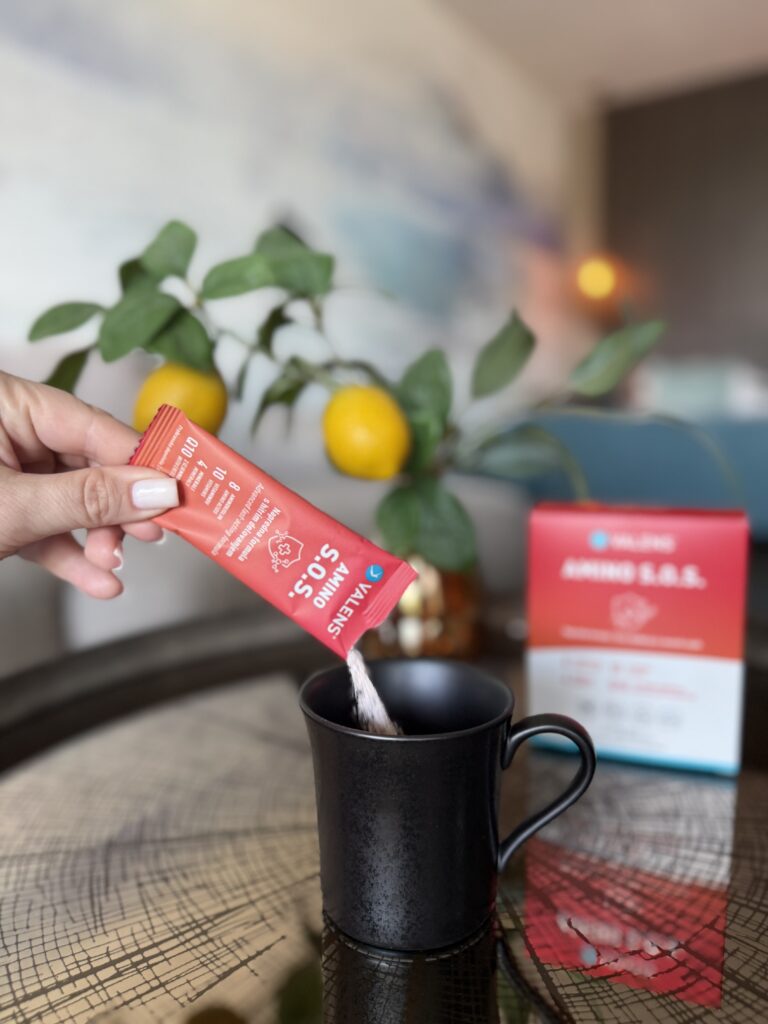
Format Strategy
Choosing the right delivery format is not only a technical decision but also a strategic one:
- Capsules (Beta-Glucans)
- clean, simple formulations
- convenient daily use
- strong compliance
- Sachets / Drink Mixes (Amino Acids)
- higher ingredient load capacity
- faster absorption
- added functional benefit (hydration)
This distinction also plays a key role in consumer perception and product positioning across different market segments.
When to Use What?
For brands building or expanding their portfolio, the differentiation is clear:
- Beta-glucans + vitamins & minerals
→ long-term, preventive immune support
→ ideal for daily supplementation and seasonal campaigns - Amino acid complexes + micronutrients
→ short-term, targeted support
→ recovery, stress periods, performance optimization
Understanding this distinction enables more precise product segmentation, clearer communication, and stronger positioning in competitive markets.
The Opportunity for Your Brand
Both categories align strongly with some of the fastest-growing nutraceutical segments:
- immune health
- healthy aging & longevity
- active nutrition
- wellness & preventive health
For companies looking to expand into these areas, combining science-backed ingredients with the right format and positioning is key to differentiation.
Disclaimer: The content provided is for informational and educational purposes only and is intended for business audiences. It does not constitute medical advice, diagnosis, or treatment recommendations. Products and ingredients mentioned should be developed and marketed in compliance with applicable regulatory frameworks.